Tag Emperor Wu
—
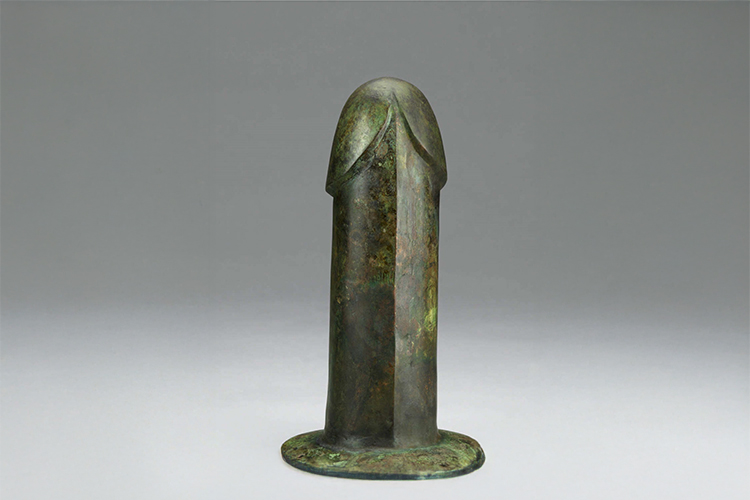
This post is a revised and expanded version of an article written in 2018. ❡ While searching online for “Emperor Wu of Han,” I came across a story about a bronze phallus discovered in the emperor’s tomb.
My first reaction was, “Of course it was Liu Che!”
After laughing for a while, I traced the s...
Tag Hanshu
—
This post is a revised and expanded version of an article written in 2018. ❡ While searching online for “Emperor Wu of Han,” I came across a story about a bronze phallus discovered in the emperor’s tomb.
My first reaction was, “Of course it was Liu Che!”
After laughing for a while, I traced the s...
Tag Hou Hanshu
— Did East Asian Ghosts Submit to Human Authority from the Beginning?
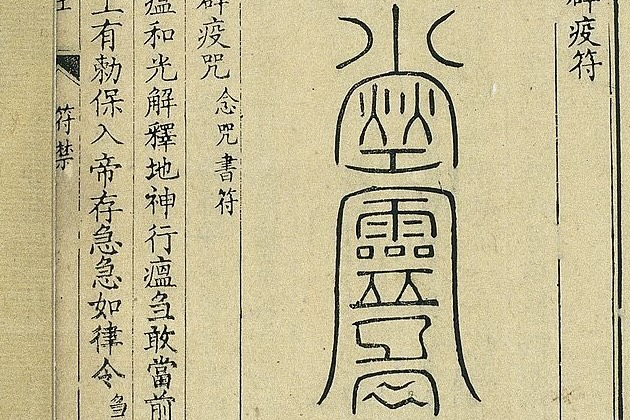
The phrase “jíjí rúlǜlìng” (急急如律令), used in incantations to expel ghosts, literally translates to “handle this urgently according to the statutes and ordinances.” The portion meaning “according to the statutes and ordinances”—rúlǜlìng (如律令)—was originally a formulaic phrase used to close official...
Tag King of Jiangdu
—
This post is a revised and expanded version of an article written in 2018. ❡ While searching online for “Emperor Wu of Han,” I came across a story about a bronze phallus discovered in the emperor’s tomb.
My first reaction was, “Of course it was Liu Che!”
After laughing for a while, I traced the s...
Tag Liu Fei
—
This post is a revised and expanded version of an article written in 2018. ❡ While searching online for “Emperor Wu of Han,” I came across a story about a bronze phallus discovered in the emperor’s tomb.
My first reaction was, “Of course it was Liu Che!”
After laughing for a while, I traced the s...
Tag Liu Jian
—
This post is a revised and expanded version of an article written in 2018. ❡ While searching online for “Emperor Wu of Han,” I came across a story about a bronze phallus discovered in the emperor’s tomb.
My first reaction was, “Of course it was Liu Che!”
After laughing for a while, I traced the s...
Tag Mencius

—
In modern Korean culture, people often say “ddabong!” while raising their thumb to praise someone in casual situations. This article traces the origins of the thumbs-up gesture in East Asian classical literature. ❡ First, the origin of the word “ddabong” (따봉) itself is clear. “Ddabong” comes from...
Tag Pinhua Baojian
—
In modern Korean culture, people often say “ddabong!” while raising their thumb to praise someone in casual situations. This article traces the origins of the thumbs-up gesture in East Asian classical literature. ❡ First, the origin of the word “ddabong” (따봉) itself is clear. “Ddabong” comes from...
Tag Princess Xijun
—
This post is a revised and expanded version of an article written in 2018. ❡ While searching online for “Emperor Wu of Han,” I came across a story about a bronze phallus discovered in the emperor’s tomb.
My first reaction was, “Of course it was Liu Che!”
After laughing for a while, I traced the s...
Tag Rebellion of Seven States
—
This post is a revised and expanded version of an article written in 2018. ❡ While searching online for “Emperor Wu of Han,” I came across a story about a bronze phallus discovered in the emperor’s tomb.
My first reaction was, “Of course it was Liu Che!”
After laughing for a while, I traced the s...
Tag Shiji
—
This post is a revised and expanded version of an article written in 2018. ❡ While searching online for “Emperor Wu of Han,” I came across a story about a bronze phallus discovered in the emperor’s tomb.
My first reaction was, “Of course it was Liu Che!”
After laughing for a while, I traced the s...
Tag Wusun
—
This post is a revised and expanded version of an article written in 2018. ❡ While searching online for “Emperor Wu of Han,” I came across a story about a bronze phallus discovered in the emperor’s tomb.
My first reaction was, “Of course it was Liu Che!”
After laughing for a while, I traced the s...
Tag ddabong
—
In modern Korean culture, people often say “ddabong!” while raising their thumb to praise someone in casual situations. This article traces the origins of the thumbs-up gesture in East Asian classical literature. ❡ First, the origin of the word “ddabong” (따봉) itself is clear. “Ddabong” comes from...
Tag dildo
—
This post is a revised and expanded version of an article written in 2018. ❡ While searching online for “Emperor Wu of Han,” I came across a story about a bronze phallus discovered in the emperor’s tomb.
My first reaction was, “Of course it was Liu Che!”
After laughing for a while, I traced the s...
Tag gaozhi tablets
— Did East Asian Ghosts Submit to Human Authority from the Beginning?
The phrase “jíjí rúlǜlìng” (急急如律令), used in incantations to expel ghosts, literally translates to “handle this urgently according to the statutes and ordinances.” The portion meaning “according to the statutes and ordinances”—rúlǜlìng (如律令)—was originally a formulaic phrase used to close official...
Tag ghosts
— Did East Asian Ghosts Submit to Human Authority from the Beginning?
The phrase “jíjí rúlǜlìng” (急急如律令), used in incantations to expel ghosts, literally translates to “handle this urgently according to the statutes and ordinances.” The portion meaning “according to the statutes and ordinances”—rúlǜlìng (如律令)—was originally a formulaic phrase used to close official...
Tag historical linguistics
—
In modern Korean culture, people often say “ddabong!” while raising their thumb to praise someone in casual situations. This article traces the origins of the thumbs-up gesture in East Asian classical literature. ❡ First, the origin of the word “ddabong” (따봉) itself is clear. “Ddabong” comes from...
Tag jijirulvling
— Did East Asian Ghosts Submit to Human Authority from the Beginning?
The phrase “jíjí rúlǜlìng” (急急如律令), used in incantations to expel ghosts, literally translates to “handle this urgently according to the statutes and ordinances.” The portion meaning “according to the statutes and ordinances”—rúlǜlìng (如律令)—was originally a formulaic phrase used to close official...
Tag jubai
—
In modern Korean culture, people often say “ddabong!” while raising their thumb to praise someone in casual situations. This article traces the origins of the thumbs-up gesture in East Asian classical literature. ❡ First, the origin of the word “ddabong” (따봉) itself is clear. “Ddabong” comes from...
Tag land purchase contracts
— Did East Asian Ghosts Submit to Human Authority from the Beginning?
The phrase “jíjí rúlǜlìng” (急急如律令), used in incantations to expel ghosts, literally translates to “handle this urgently according to the statutes and ordinances.” The portion meaning “according to the statutes and ordinances”—rúlǜlìng (如律令)—was originally a formulaic phrase used to close official...
Tag occult
— Did East Asian Ghosts Submit to Human Authority from the Beginning?
The phrase “jíjí rúlǜlìng” (急急如律令), used in incantations to expel ghosts, literally translates to “handle this urgently according to the statutes and ordinances.” The portion meaning “according to the statutes and ordinances”—rúlǜlìng (如律令)—was originally a formulaic phrase used to close official...
Tag thumbs-up
—
In modern Korean culture, people often say “ddabong!” while raising their thumb to praise someone in casual situations. This article traces the origins of the thumbs-up gesture in East Asian classical literature. ❡ First, the origin of the word “ddabong” (따봉) itself is clear. “Ddabong” comes from...
Tag tomb-quelling texts